How Much is it Worth For seafood processing machinery Norway
Wiki Article
How Automated Seafood Processing Equipment Is Reshaping European Fish Production
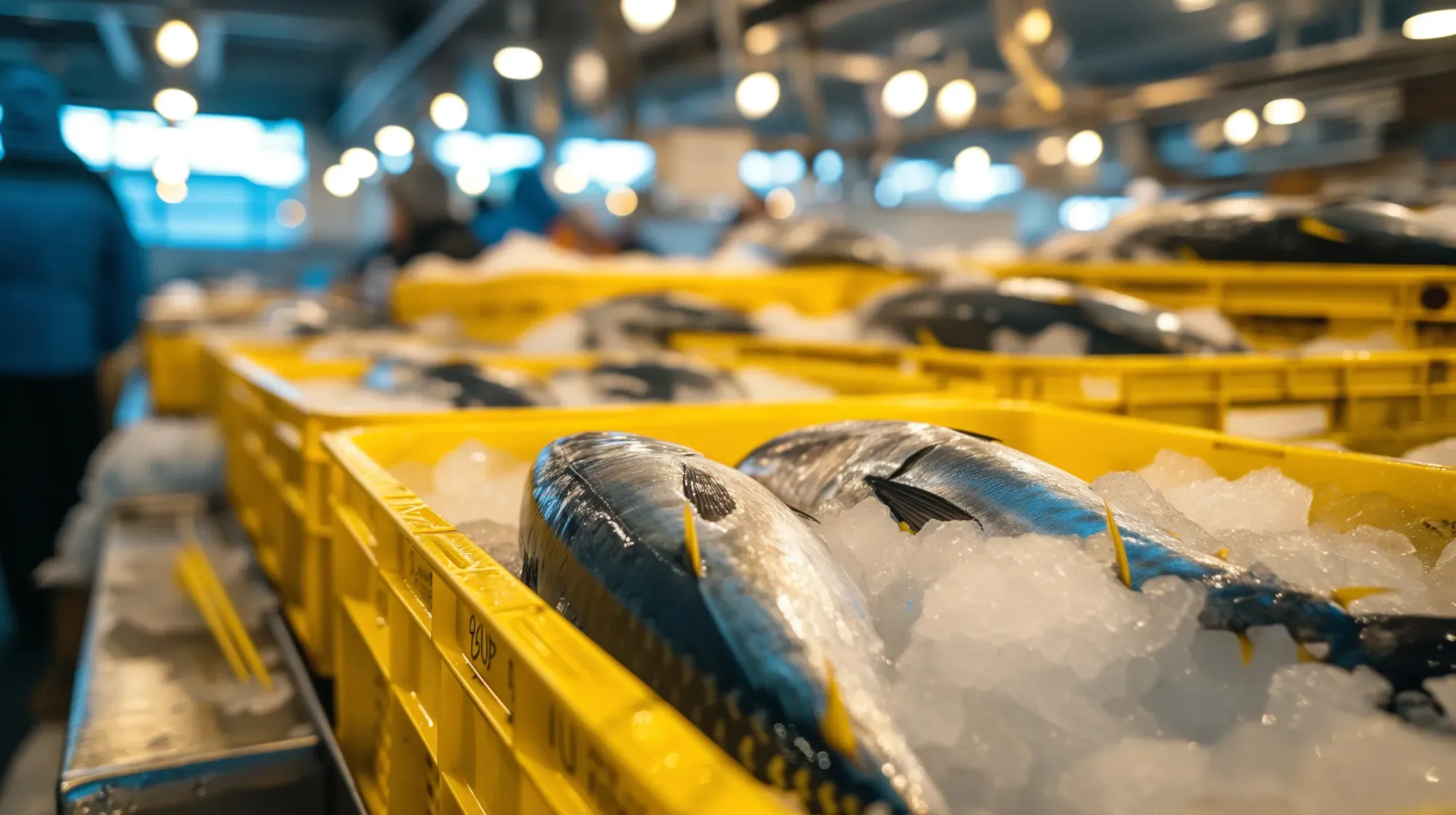
European fish production is changing quickly as seafood processors deal with rising export demand, stricter buyer requirements and increasing pressure to supply consistent frozen seafood at large volumes. Processing plants across Norway, the UK, Spain, France, Iceland and Portugal are moving away from purely manual handling and outdated equipment designed for smaller outputs. Instead, operators are adopting modern systems that enhance freezing, conveying, glazing, filleting and packaging efficiency. A reliable manufacturer of seafood processing equipment now plays an important role in helping plants upgrade operations without interrupting ongoing production. From specialist IQF spiral freezer manufacturer expertise to sanitary conveyors, glazing systems and automated fish filleting machine solutions, automation is helping European processors improve product quality, labour efficiency and export readiness. For businesses handling salmon, cod, shrimp, mackerel, haddock or mixed seafood lines, the right equipment is no longer just a production upgrade. It is becoming a strategic investment in food safety, yield control and long-term competitiveness.
Why Automation Matters in European Seafood Processing
Processing seafood requires precise control over timing, temperature, hygiene and handling conditions. Any delay during receiving, cutting, freezing or packaging can reduce freshness, texture and overall product value. Manual processes still have a role in many plants, but they are harder to manage when volumes rise and buyer specifications become more detailed. Automated equipment for frozen seafood processing helps minimise inconsistencies by ensuring repeatable workflow across the processing line. This means products can be processed faster, handled less often and prepared under more controlled conditions. For European facilities serving retail, wholesale and food service markets, consistency matters as much as capacity. Buyers expect products to meet agreed weight, finish, glaze level, packaging and temperature requirements. Automated equipment helps meet these requirements by reducing dependence on inconsistent manual workflows and enabling better monitoring and performance tracking.
IQF Freezing as a Core Export Requirement
Individual quick freezing (IQF) is now a cornerstone technology in modern seafood processing. An IQF system for salmon processing line is designed to freeze each portion separately, helping preserve product form, texture and visual quality. This is especially valuable for salmon fillets, cod portions, shrimp, squid rings and other products where clumping, surface damage or uneven freezing can reduce buyer confidence. A modern spiral freezer can rapidly reduce product temperature through a continuous controlled freezing process, helping maintain quality across larger production runs. For processors working in limited factory space, spiral technology is especially useful because it maximises vertical space instead of requiring extensive floor area. A specialist spiral freezer equipment specialist can design systems around existing plant conditions, product type, loading patterns and target throughput, making the freezer a practical fit rather than a standard machine forced into an unsuitable layout.
Custom Freezing Systems for Space-Constrained Facilities
Numerous seafood facilities in traditional European fishing areas were not designed for modern production demands. Tight processing spaces, outdated drainage, limited access and existing blast freezers often complicate upgrades. This is where bespoke seafood freezing systems becomes highly valuable. Rather than relying on standard units, operators can install customised systems tailored to space, product range and output targets. Tailored spiral designs, stainless steel builds, controlled airflow and integrated handling sections allow capacity growth without major construction. For facilities processing Norwegian salmon or mixed seafood in coastal regions, this approach optimises space usage while boosting freezing performance and consistency.
Seafood Conveying Systems and Hygienic Line Flow
Freezing performance depends heavily on how seafood moves through the plant before and after the freezer. A well-designed seafood conveying system Europe solution connects all processing stages from intake to final packaging with smooth product transfer. Conveyors reduce unnecessary manual lifting and help maintain a steady product flow through each process stage. In seafood facilities, conveyor design must focus on sanitation alongside functionality. Stainless steel frames, food-safe belts, easy-clean surfaces, proper drainage and accessible components all support washdown routines and reduce contamination risk. A trusted European seafood equipment supplier can create conveying infrastructure that works with both production needs and food safety expectations. When conveyors are planned correctly, the entire line becomes smoother, faster and easier to control.
Glazing Technology for Seafood Preservation
After freezing, glazing is a key step for many frozen seafood products. Seafood glazing systems apply a protective coating of water over frozen products to reduce moisture loss, freezer burn and oxidation during frozen seafood processing equipment cold storage and transport. This layer preserves visual quality, texture and weight consistency until it reaches the buyer. However, glazing must be precise. Too little glaze can leave products vulnerable to quality loss, while too much can create commercial problems. Modern glazing equipment can use various methods such as dipping, spraying or cascading depending on species, shape and target glaze percentage. For premium export seafood, this level of control helps maintain quality while complying with buyer agreements.
Advancements in Fish Filleting and Yield Optimisation
Primary processing automation is also advancing quickly. A modern automated filleting system can increase yield, lower labour dependence and deliver consistent fillet quality. This is especially important for species such as salmon, cod, pollock and haddock, where fillet quality affects final product grade and market value. Manual filleting depends heavily on operator skill and can vary across shifts. Automated filleting equipment ensures a consistent cutting process, helping plants minimise waste and standardise output. For facilities handling larger production capacities, the economics of automation are increasingly favourable.
Seafood Processing Machinery in Norway and Northern Europe
Norway remains one of the most important seafood production regions in Europe, especially for salmon and other high-value species. Demand for seafood processing machinery Norway solutions is closely linked to export growth, strict quality expectations and the need for efficient cold chain preparation. Norwegian processors often require equipment that can handle high volumes while preserving premium product standards. Similar needs can be seen in Iceland, the UK and additional coastal regions where seafood production is central to regional industry. In these environments, machinery must be robust, hygienic and designed for long operating cycles. Freezers, conveyors, glazing systems and filleting equipment must operate as an integrated system rather than independent units functioning separately.
Choosing the Right Equipment Partner
Choosing a seafood processing equipment manufacturer is not simply about price comparison. Plant managers need to consider engineering expertise, sanitation standards, integration ability, after-sales support and long-term performance. A standard catalogue machine may suit some facilities, but many European seafood processors need tailored designs because of space constraints, diverse product types or existing setups. A strong engineering partner will analyse the production environment and develop solutions aligned with operational needs. This can lead to better throughput, fewer handling points, easier cleaning and lower long-term operating costs. For processors planning major upgrades, the best results usually come from treating the entire processing line as a unified system instead of separate components.
Final Thoughts
Automation in seafood processing is redefining fish production across Europe by helping processors enhance efficiency, sanitation, consistency and product quality. From advanced freezing and conveying to glazing and filleting automation, each part of the line plays a role in protecting product value and meeting demanding buyer expectations. As export markets expand further and specifications become stricter, seafood processors across key European regions are adopting advanced technologies to stay competitive. The facilities that focus on efficient freezing, precise glazing, streamlined conveying and consistent processing will be well-equipped to meet high-end market demands with confidence. Report this wiki page